Running a restaurant involves more than just creating delicious food and providing excellent service. Effective financial management is essential for long-term success. One of the most critical aspects of this is meticulous bookkeeping for restaurants. Without a clear understanding of your finances, it’s easy to lose track of profitability, miss tax deadlines, and struggle with cash flow. This comprehensive guide will walk you through the essentials of restaurant bookkeeping, providing practical insights and actionable strategies to help you stay on top of your finances.
This guide offers a clear pathway to understanding and implementing robust bookkeeping practices. We will cover everything from setting up your chart of accounts to mastering key financial ratios and leveraging technology to streamline your processes. By the end of this guide, you’ll have the knowledge and tools to manage your restaurant’s finances effectively, make informed business decisions, and ensure compliance with all financial regulations. Learn how to transform your financial data into actionable insights, empowering you to optimize costs, improve profitability, and secure the long-term sustainability of your establishment. Whether you’re a seasoned restaurant owner or just starting out, this guide provides valuable information to enhance your financial management skills. Therefore, this guide is a helpful tool.
Summary
Understanding the Essentials of Bookkeeping for Restaurants
Effective accounting is the financial backbone of any successful restaurant. It involves systematically recording, classifying, and summarizing financial transactions to provide a clear picture of the restaurant’s financial health. Understanding the basics allows restaurant owners and managers to make informed decisions, manage cash flow effectively, and ensure compliance with tax regulations. Fundamentally, it transforms raw financial data into actionable insights.
Several key components are vital for a robust system. Firstly, meticulous record-keeping is paramount; every transaction, from ingredient purchases to daily sales, must be accurately documented. Secondly, consistent categorization of expenses and revenues is essential for generating meaningful financial reports. Thirdly, regular reconciliation of bank statements and other financial records helps to identify and correct errors. Moreover, Prezzo Consulting helps restaurants streamline these processes to gain better control over their finances.
Consider these essential elements of sound financial management:
Chart of Accounts: A structured list of all accounts used to categorize financial transactions.
General Ledger: A central record that summarizes all financial transactions.
Accounts Payable: Tracking and managing bills owed to suppliers.
Accounts Receivable: Monitoring and collecting payments from customers (if applicable).
Inventory Management: Keeping track of food and beverage inventory to minimize waste and optimize costs.
Without proper attention to detail, restaurants can face numerous challenges, including inaccurate financial statements, missed tax deadlines, and poor cash flow management. A strong grasp of this process empowers owners to understand their profitability, identify areas for cost reduction, and make strategic decisions to enhance their restaurant’s financial performance. Ultimately, the analysis is a vital component in the long-term success and sustainability of any food service establishment. Therefore, a grasp of this process is vital.
Setting Up Your Restaurant’s Chart of Accounts
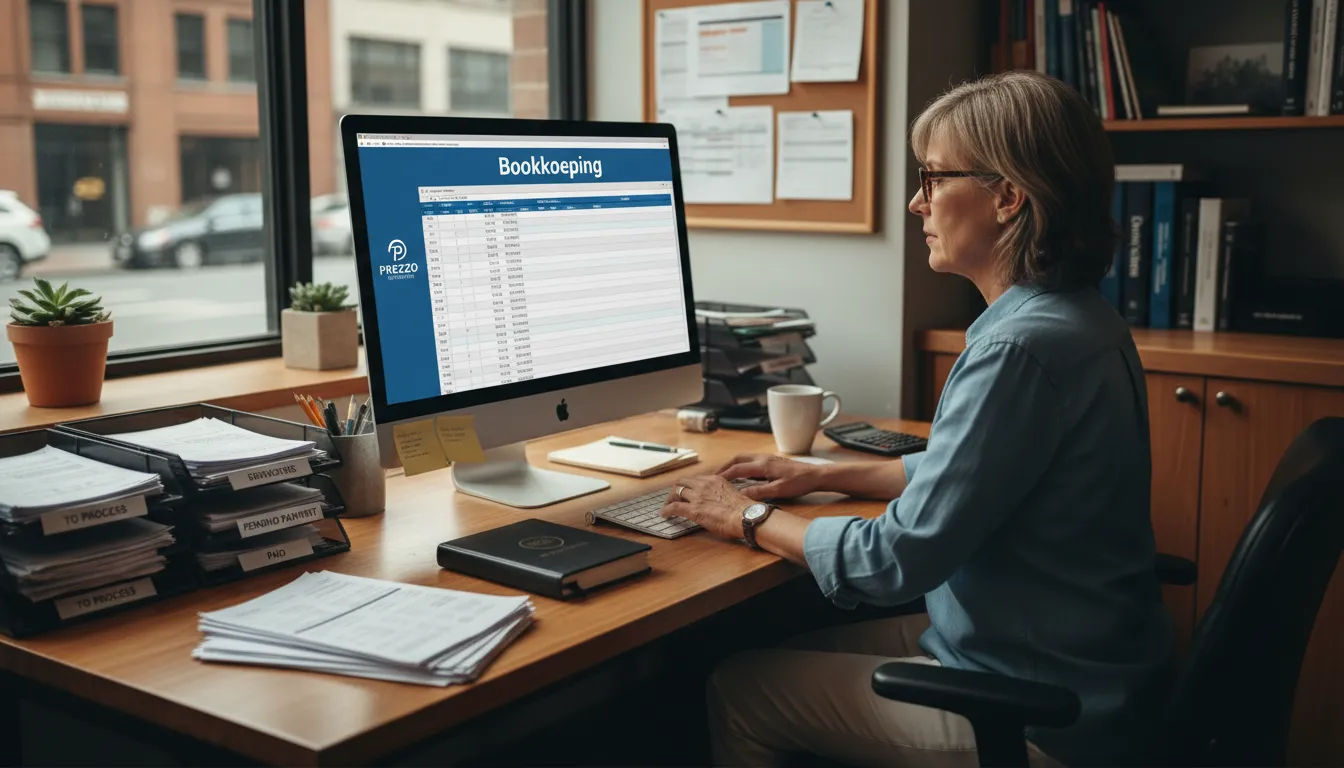
A chart of accounts (COA) is the backbone of your restaurant’s financial tracking system. It’s a structured list of all the accounts your business uses to record financial transactions. Consider it the master index for your restaurant’s financial data. A well-designed COA ensures accuracy, consistency, and allows for meaningful financial reporting. It’s a critical first step in effective accounting and managing your restaurant’s finances. Prezzo Consulting can help you tailor your COA to your specific needs.
Here are some essential categories to include in your restaurant’s chart of accounts:
Assets: What your restaurant owns (cash, equipment, inventory).
Liabilities: What your restaurant owes to others (loans, accounts payable).
Equity: The owner’s stake in the restaurant.
Revenue: Income generated from sales (food, beverages, merchandise).
Cost of Goods Sold (COGS): Direct costs associated with producing your menu items (food ingredients, direct labor).
Operating Expenses: Costs to run your restaurant (rent, utilities, salaries, marketing).
Within each category, create specific accounts. For example, under Assets, you might have “Cash on Hand,” “Checking Account,” and “Inventory – Food.” For Revenue, break it down further into “Food Sales,” “Beverage Sales,” and “Alcohol Sales.” The more detail you include, the more insightful your financial reports will be. Ensure each account has a unique number for easy tracking. As a result, financial reports become more insightful.
Consider using a standardized chart of accounts template as a starting point. Many accounting software programs, like QuickBooks, offer industry-specific templates for restaurants. Customize the template to fit your restaurant’s specific operations and reporting needs. Regularly review and update your chart of accounts as your business evolves.
Proper setup and maintenance of this structure ensures you can easily generate accurate financial statements, track key performance indicators (KPIs), and make informed business decisions. This detailed categorization simplifies the audit process, providing a clear and organized view of your restaurant’s financial health. This organized financial overview greatly assists in making strategic decisions to improve profitability and efficiency. Likewise, having this detailed view helps strategic decisions.
Managing Daily Transactions: Sales, Costs, and Inventory
Accurately tracking daily transactions is the backbone of solid restaurant accounting. This involves meticulously recording sales, costs, and inventory levels. Sales tracking should capture all revenue streams, including dine-in, takeout, delivery, and catering. Implementing a POS (Point of Sale) system is crucial for automating sales recording and generating detailed reports. Ensure that all sales are properly categorized, such as food, beverages (alcoholic and non-alcoholic), and merchandise, if applicable. This categorization is essential for accurate financial analysis and tax reporting. For example, you need accurate sales data for tax purposes.
Managing costs involves tracking all expenses incurred in operating the restaurant. These costs can be broadly classified into:
Cost of Goods Sold (COGS): Direct costs associated with producing the food and beverages sold.
Labor Costs: Wages, salaries, benefits, and payroll taxes for all employees.
Operating Expenses: Rent, utilities, insurance, marketing, and maintenance.
Depreciation: The allocation of the cost of assets over their useful lives.
Other Expenses: Miscellaneous costs such as licenses, permits, and professional fees.
Regularly updating and monitoring these costs allows restaurant owners to identify areas where they can reduce expenses and improve profitability. Prezzo Consulting often advises clients to scrutinize their vendor contracts and negotiate better pricing to lower COGS. Labor costs should be carefully managed by optimizing staffing levels and implementing efficient scheduling practices. A close inspection of these factors ensures smooth business operations. Moreover, having a close inspection helps smooth operations.
Inventory management is critical for minimizing waste and optimizing food costs. Implement a system to track inventory levels for all ingredients and supplies. This system should include regular inventory counts, purchase order management, and waste tracking. By monitoring inventory levels, restaurants can avoid overstocking (which leads to spoilage) and understocking (which leads to lost sales). Effective inventory management helps maintain consistent food quality and minimize financial losses. The analysis supports cost control and efficient operations. Correspondingly, the analysis supports cost control.
Mastering Key Restaurant Financial Ratios
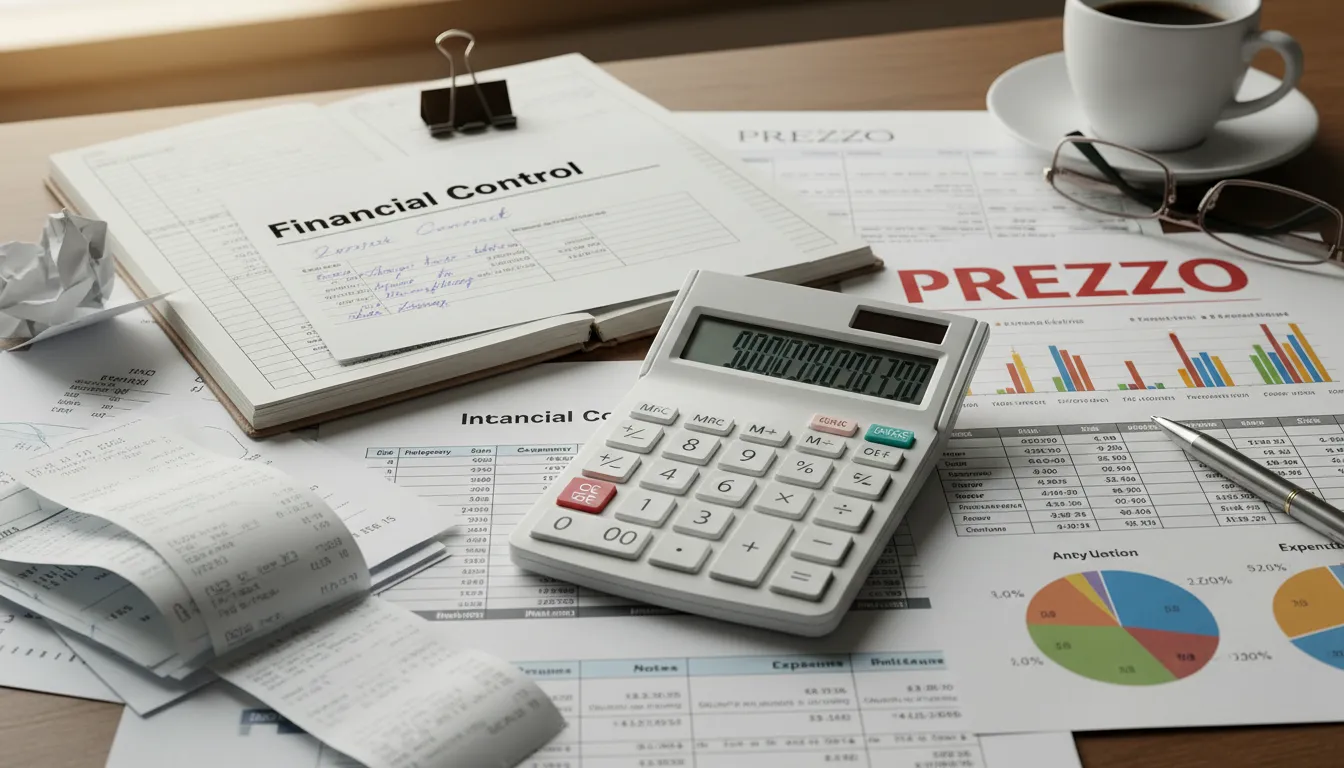
Understanding financial ratios is crucial for assessing a restaurant’s performance and making informed decisions. These ratios provide insights into profitability, liquidity, solvency, and efficiency. Regularly calculating and analyzing these metrics will help you identify areas of strength and weakness in your restaurant’s financial health.
One of the most important ratios is the Gross Profit Margin, calculated as (Revenue – Cost of Goods Sold) / Revenue. This ratio indicates how efficiently a restaurant manages its cost of goods. A higher margin signifies better profitability. For example, if a restaurant has a revenue of $500,000 and a cost of goods sold of $200,000, the gross profit margin is 60%, indicating that 60 cents of every dollar earned is gross profit.
The Operating Profit Margin, which is Operating Income / Revenue, reveals how well a restaurant controls its operating expenses. Monitoring it helps in understanding the profitability after deducting operating expenses such as rent, wages, and utilities. Comparing your restaurant’s ratios to industry benchmarks can highlight areas needing improvement. To that end, industry benchmarks can highlight improvements.
Liquidity ratios, such as the Current Ratio (Current Assets / Current Liabilities), assess a restaurant’s ability to meet its short-term obligations. A current ratio of 1.5 to 2 is generally considered healthy. Similarly, the Quick Ratio (also known as the Acid-Test Ratio) excludes inventory from current assets, providing a more conservative measure of liquidity. Analyzing these ratios helps restaurants like yours ensure they can pay bills on time. Therefore, ratio analysis can help restaurants pay bills on time.
Efficiency ratios, like Inventory Turnover (Cost of Goods Sold / Average Inventory), measure how effectively a restaurant manages its inventory. A higher turnover indicates efficient inventory management. Also, consider the Food Cost Percentage (Cost of Goods Sold / Revenue), which is a key indicator of how well a restaurant manages its food costs. Understanding and tracking these ratios is a vital part of the auditing process and for the overall financial management of your restaurant. Prezzo Consulting can assist you in setting up systems to accurately track and analyze these ratios, providing valuable insights for improving your restaurant’s financial performance. This process can assist you in improving financial performance.
Best Practices for Restaurant Bookkeeping Accuracy
Maintaining accuracy in restaurant auditing is crucial for financial health and informed decision-making. Implementing best practices ensures that your financial records are reliable and provide a clear picture of your restaurant’s performance. Accuracy isn’t just about avoiding errors; it’s about building a foundation for growth and stability. These practices help streamline operations, reduce the risk of audits, and improve overall financial management. Thus, these practices help streamline operations.
One key practice is to segregate duties. This means assigning different individuals to handle various financial tasks, such as invoice processing, payment reconciliation, and bank statement review. Segregation of duties minimizes the risk of fraud and errors by ensuring that no single person has complete control over all aspects of the financial process. Cross-training employees can maintain efficiency and prevent disruptions due to staff absences while still adhering to the segregation of duties.
Regular reconciliation is another essential component. Bank reconciliations should be performed monthly to match your bank statements with your internal records. Reconciling accounts payable and accounts receivable ensures that all transactions are accurately recorded and that discrepancies are promptly addressed. Regularly comparing physical inventory counts with accounting records can minimize discrepancies and identify potential issues, such as theft or spoilage.
Consider these additional best practices for enhanced accuracy:
Implement a Chart of Accounts: A well-structured chart of accounts categorizes all financial transactions, making it easier to track income and expenses.
Use Accounting Software: Employing reliable accounting software like QuickBooks or Xero can automate many tasks and reduce manual errors.
Document Every Transaction: Keep detailed records of all sales, purchases, and other financial activities.
Conduct Regular Audits: Performing internal audits regularly can help identify and correct errors before they become major problems. Prezzo Consulting can assist with these audits.
Train Staff Properly: Ensure that all employees involved in financial tasks are adequately trained on proper procedures.
By adhering to these best practices, restaurants can significantly improve the accuracy of their financial records, leading to better financial management and informed decision-making. This process helps businesses maintain compliance, optimize cash flow, and achieve long-term success. Ignoring these practices can lead to financial instability and missed opportunities. Similarly, ignoring best practices can lead to instability.

Common Bookkeeping Mistakes and How to Avoid Them
Restaurant accounting can be complex, and even seasoned professionals can make mistakes. Recognizing these common pitfalls and implementing preventative measures is crucial for maintaining accurate financial records. This ensures that your restaurant operates smoothly and complies with all regulatory requirements. Paying close attention to detail and establishing robust processes are key to error prevention. To that end, close attention to detail is key.
One frequent error is neglecting to reconcile bank statements regularly. This practice compares your internal records with the bank’s records, identifying any discrepancies such as unrecorded transactions or errors. Failing to reconcile can lead to inaccurate cash balances and missed fraudulent activities. Make it a routine task, ideally monthly, to ensure everything aligns.
Another common mistake is poor categorization of expenses. Incorrectly classifying expenses distorts your financial statements, making it difficult to analyze profitability and control costs. For example, misclassifying repairs as marketing can significantly skew your understanding of where your money is going. Establish a clear chart of accounts and train your staff on proper coding procedures. Consulting with experts like Prezzo Consulting can provide invaluable guidance. Therefore, it’s important to categorize expenses correctly.
Here are some other frequent errors to watch out for:
Mixing Personal and Business Finances: Always keep personal and business accounts separate to avoid confusion and ensure accurate financial reporting.
Not Tracking Inventory Properly: Implement a system to monitor inventory levels, spoilage, and waste to accurately calculate cost of goods sold.
Ignoring Sales Tax Liabilities: Accurately collect and remit sales taxes to avoid penalties and legal issues.
Failing to Keep Up with Invoices: Regularly issue and track invoices to ensure timely payments and avoid revenue leakage.
Neglecting Depreciation: Properly account for depreciation of assets to reflect their declining value over time.
By being aware of these common accounting mistakes and taking proactive steps to avoid them, restaurants can maintain accurate financial records, improve profitability, and ensure long-term success. It is also important to consistently review internal controls and make adjustments as your business evolves.
Leveraging Technology: Accounting Software and Automation
In today’s fast-paced restaurant industry, leveraging technology is no longer optional; it’s essential for survival and growth. Accounting software and automation tools can significantly streamline financial processes, reduce errors, and provide real-time insights into your restaurant’s performance. This not only saves time and money but also allows you to focus on what you do best: creating exceptional dining experiences.
The right software can automate many routine tasks. Instead of manually entering transactions and reconciling accounts, cloud-based platforms can automatically import data from bank accounts, point-of-sale (POS) systems, and other sources. This integration minimizes the risk of human error and ensures that your financial records are always up-to-date. Prezzo Consulting often recommends exploring various software options to find the best fit for your specific needs and budget. Likewise, exploring software options helps find the best fit.
Consider these benefits of automating restaurant accounting:
Increased Efficiency: Automate repetitive tasks such as data entry and invoice processing.
Reduced Errors: Minimize the risk of manual errors with automated data import and reconciliation.
Real-Time Insights: Access up-to-date financial data and generate reports instantly.
Improved Accuracy: Ensure accurate financial reporting and compliance.
Cost Savings: Reduce labor costs and improve resource allocation.
Better Decision-Making: Make informed decisions based on timely and accurate financial information.
Popular software choices for restaurants often include solutions that offer specific features tailored to the industry, such as inventory management, payroll processing, and sales tracking. By using these tools effectively, restaurant owners and managers can gain a clearer understanding of their financial performance and make better decisions about pricing, menu planning, and staffing. Ultimately, this helps improve profitability and ensures the long-term success of the business. Proper implementation and training are crucial to maximizing the benefits of these systems. It’s advisable to seek expert guidance to ensure a smooth transition and optimal utilization of the chosen tools.
Conclusion
Mastering bookkeeping for restaurants is essential for the financial health and long-term success of any restaurant. By understanding the essentials, setting up a proper chart of accounts, managing daily transactions, and leveraging key financial ratios, you can gain valuable insights into your restaurant’s performance. Adhering to best practices and avoiding common mistakes will further enhance the accuracy and reliability of your financial records. Embracing technology through accounting software and automation can streamline processes and improve efficiency.
Effective auditing provides a solid foundation for making informed decisions, optimizing costs, and ensuring compliance with financial regulations. This empowers you to focus on what you do best – providing exceptional dining experiences and growing your business. Remember to regularly review and update your accounting practices to adapt to the evolving needs of your restaurant. Therefore, review your practices to adapt to restaurant needs.
If you need expert assistance with your restaurant’s financial management, consider reaching out to Prezzo Consulting. They offer comprehensive accounting, financial management, and tax consulting services tailored to the restaurant industry. Partnering with Prezzo Consulting can help you streamline your accounting processes, improve financial performance, and achieve your business goals. Proper bookkeeping for restaurants is not just about numbers; it’s about building a sustainable and profitable future.
Frequently Asked Questions
Why is meticulous record-keeping so crucial for restaurants?
Meticulous record-keeping is crucial because it provides a clear and accurate picture of the restaurant’s financial health. By documenting every transaction, from ingredient purchases to daily sales, restaurant owners and managers can make informed decisions, manage cash flow effectively, and ensure compliance with tax regulations. Without accurate records, it’s easy to lose track of profitability and miss tax deadlines.
What are some essential categories to include in a restaurant’s chart of accounts?
Essential categories to include in a restaurant’s chart of accounts are Assets, Liabilities, Equity, Revenue, Cost of Goods Sold (COGS), and Operating Expenses. Assets represent what the restaurant owns, such as cash and equipment; Liabilities are what the restaurant owes to others, like loans; Equity is the owner’s stake; Revenue is income from sales; COGS are direct costs for producing menu items; and Operating Expenses are the costs to run the restaurant, like rent and utilities. Breaking these down helps with insightful financial reports.
How does inventory management contribute to minimizing waste and optimizing food costs?
Implementing a robust system to track inventory levels for all ingredients and supplies minimizes waste and optimizes food costs. This system should include regular inventory counts, purchase order management, and waste tracking. By monitoring inventory levels, restaurants can avoid overstocking, which leads to spoilage, and understocking, which results in lost sales. This approach helps maintain consistent food quality and minimize financial losses.
What key practice minimizes the risk of fraud and errors in restaurant auditing?
Segregation of duties is a key practice that minimizes the risk of fraud and errors. Assigning different individuals to handle various financial tasks, such as invoice processing, payment reconciliation, and bank statement review, ensures that no single person has complete control over all aspects of the financial process. Cross-training employees can maintain efficiency while still adhering to the segregation of duties, providing an additional layer of security and accuracy.
How can accounting software and automation tools streamline financial processes?
Accounting software and automation tools can significantly streamline financial processes by automating routine tasks such as data entry and invoice processing. Cloud-based platforms can automatically import data from bank accounts and point-of-sale systems, minimizing the risk of manual errors and ensuring that financial records are always up-to-date. This allows restaurant owners and managers to access real-time insights into their restaurant’s performance, leading to better decision-making and improved profitability.