For many international entrepreneurs, investors, and travelers, establishing a financial foothold in the United States is a crucial step for managing their activities. However, a common misconception and significant hurdle often arise: the belief that a Social Security Number (SSN) is an absolute prerequisite for opening a US bank account. While traditional banking systems heavily rely on the SSN for identity verification and compliance, the reality is more nuanced. Many non-residents, including a growing number of Brazilians, find themselves in a unique position, requiring practical strategies to navigate this challenge. The good news is that viable pathways exist for those looking to open a US bank account without an SSN, allowing them to access the robust US financial system without this specific identifier. This comprehensive guide is designed to demystify the process, offering a clear roadmap for non-residents.
This article will delve into the intricacies of US banking regulations, highlight essential alternative identification methods, and showcase specific banking institutions and digital solutions that accommodate non-resident clients. We will explore the pivotal role of the Individual Taxpayer Identification Number (ITIN) as a strategic alternative, detail the documentation required, and provide practical advice on choosing the right account type. By understanding these options and preparing diligently, individuals can overcome the SSN barrier and successfully establish a US bank account. Whether you are an entrepreneur expanding your business or simply need a convenient way to manage funds in the US, this guide will equip you with the knowledge to make informed decisions and secure your financial presence efficiently and compliantly.
Summary
- Navigating US Banking for Non-Residents: The SSN Challenge
- Essential Documentation: Opening a US Bank Account as a Brazilian Without an SSN
- Leveraging the ITIN: A Strategic Alternative for US Banking Access
- How to Open a US Bank Account Without an SSN: Bank-Specific Pathways
- Choosing Your Account Type: Checking, Savings, and Debit Cards for Non-Residents
- Exploring Digital-First Solutions and FinTech Alternatives for US Accounts
- Practical Tips and Common Pitfalls for Non-Resident US Bank Account Holders
Navigating US Banking for Non-Residents: The SSN Challenge
Establishing a US bank account as a non-resident frequently encounters a significant hurdle: the Social Security Number (SSN). This nine-digit identifier is fundamental for financial operations and identification in the United States. For individuals without US citizenship or permanent residency, obtaining an SSN is typically impossible, creating a substantial barrier to conventional banking. Most traditional banks mandate an SSN during account opening, leading to rejections for those unable to provide one. This situation presents a considerable challenge for international entrepreneurs and visitors.
Financial institutions rely heavily on the SSN for critical compliance and verification. It serves as a vital tool for Know Your Customer (KYC) protocols, enabling banks to confirm identity, assess risk, and prevent illicit activities. Furthermore, the SSN is intrinsically linked to an individual’s credit history and tax obligations. Without it, banks struggle to perform comprehensive background checks, report interest income to the IRS, and adhere to federal regulations. This stringent regulatory environment explains their reluctance to offer accounts to individuals lacking this identifier.
Despite these challenges, the possibility to establish such an account is not entirely out of reach. This path demands diligence and understanding specific financial products. Viable alternatives exist, catering to non-resident demographics and recognizing their distinct compliance requirements. Successfully navigating this intricate landscape benefits greatly from expert guidance. Firms like Prezzo Consulting specialize in assisting international clients, offering valuable insights into compliant and efficient solutions for obtaining essential financial services.

Essential Documentation: Opening a US Bank Account as a Brazilian Without an SSN
For Brazilians, opening a US bank account without an SSN demands precise documentation. US financial institutions enforce strict Know Your Customer (KYC) and anti-money laundering (AML) regulations. This mandates robust alternative identification for non-residents, ensuring banking system integrity. Careful preparation of paperwork is absolutely vital for this process.
The core requirement is strong proof of identity, international residency, and financial standing. Banks require a comprehensive document set. Have these ready, translated by a certified professional if needed. Prezzo Consulting expertly assists clients in preparing all necessary paperwork for these essential banking procedures, ensuring full compliance.
- Valid Passport: Primary ID, confirming nationality. Must be valid for at least six months.
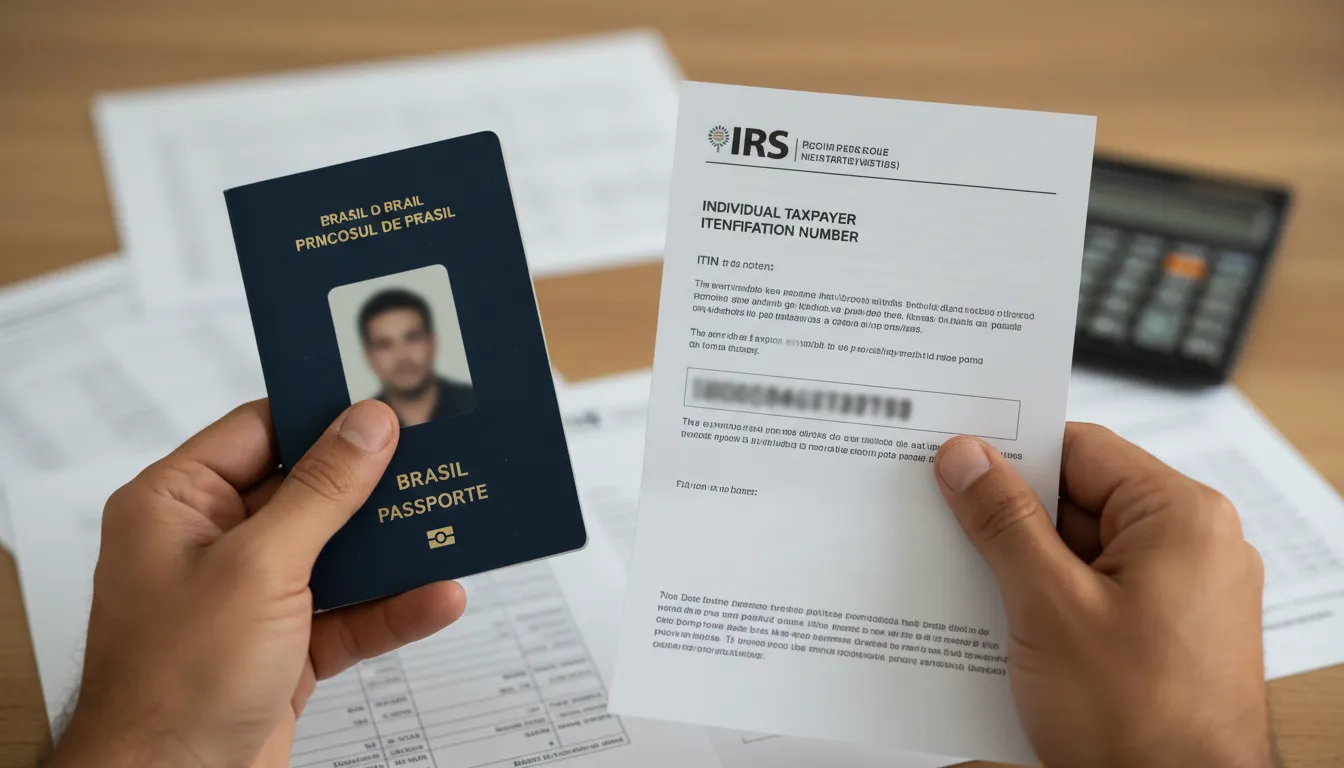
- Individual Taxpayer Identification Number (ITIN): Crucial for Brazilians without an SSN. IRS-issued, widely accepted for identification.
- Proof of International Address: Verifies overseas residence. Use recent utility bills or a home country bank statement (within 90 days).
- Secondary Identification: Additional ID like a Brazilian driver’s license may be requested.
- Source of Funds Documentation: Banks require proof of fund origin for AML. Provide recent bank statements.
Thorough organization of these documents streamlines account opening, ensuring smoother entry into the US banking system.
Leveraging the ITIN: A Strategic Alternative for US Banking Access
For individuals navigating U.S. financial systems without a Social Security Number (SSN), the Individual Taxpayer Identification Number (ITIN) is a pivotal strategic tool. This unique nine-digit number, issued by the Internal Revenue Service (IRS), is for those needing a U.S. taxpayer identification number but ineligible for an SSN. While primarily for tax reporting, its significance extends remarkably into enabling access to essential financial services.
The ITIN provides a legitimate pathway for non-resident aliens, including Brazilians, to establish financial connections in the United States. Many U.S. banks now recognize and accept an ITIN in lieu of an SSN for opening various types of accounts, including checking and savings. This acceptance is crucial for those looking to manage funds, make investments, or handle daily transactions. It directly addresses the challenge of securing this banking access, offering a practical solution.
Obtaining an ITIN involves completing Form W-7 and submitting it to the IRS, typically with certified copies of foreign status and identity verification. Navigating this application can be intricate, making expert assistance invaluable. Firms like Prezzo Consulting specialize in guiding international clients through the ITIN application process, ensuring meticulous preparation and submission. This strategic step facilitates banking access and supports overall financial compliance and integration into the U.S. economic landscape.
How to Open a US Bank Account Without an SSN: Bank-Specific Pathways
While opening a US bank account without an SSN presents hurdles, specific financial institutions facilitate this for non-residents. Many major banks allow this process, especially if an Individual Taxpayer Identification Number (ITIN) is provided. Success hinges on researching flexible banks and preparing their distinct documentation. An in-person branch visit is often key to complete the application and verify identity.
Essential documents generally include a valid foreign passport, a secondary ID (e.g., home country driver’s license), and proof of foreign address (e.g., utility bill, foreign bank statement). An initial deposit is typically required. For entrepreneurs, especially Prezzo Consulting clients, business registration documents can bolster the application.
- Bank of America: Accessible to non-residents, especially with an ITIN. In-person application and comprehensive ID are vital.
- Citibank: International network supports non-resident accounts. Existing overseas Citibank relationships often streamline setup.
- HSBC: A global bank for international clients. An existing foreign HSBC account can smooth US onboarding.
- Chase: Generally stricter, but may consider non-resident applications with an ITIN and strong US ties documentation.
- Wells Fargo: Branch policies vary; direct contact with local branches advised to confirm requirements and prepare proofs.
Choosing Your Account Type: Checking, Savings, and Debit Cards for Non-Residents
Understanding checking and savings accounts is essential for non-residents establishing a U.S. financial presence. Both serve distinct needs; choosing correctly ensures efficient money management for daily transactions or long-term savings.
A checking account handles daily finances: deposits, withdrawals, payments, and debit card purchases. For non-residents, it’s vital for managing U.S. expenses, payments, or transfers. Key features include a debit card, online banking, and direct deposit for immediate liquidity.
Conversely, a savings account focuses on accumulating funds and earning interest. While less flexible for transactions, it provides a secure haven for reserves. Non-residents often use it for future investments or an emergency buffer. These accounts typically offer higher interest rates but have limited monthly transactions and potential minimum balance requirements.
A debit card, tied to your checking account, grants direct access to funds, allowing spending only what’s available. For non-residents, it’s invaluable for purchases and ATM withdrawals, reducing physical currency, and offering a practical credit card alternative. Navigating this process becomes smoother with Prezzo Consulting, ensuring compliance and optimal financial structuring.

Exploring Digital-First Solutions and FinTech Alternatives for US Accounts
For non-residents without an SSN, digital-first solutions and FinTech alternatives offer crucial pathways to US financial access. These platforms streamline account opening, utilizing technology for identity verification distinct from traditional bank requirements. Many FinTech companies specifically cater to international clients, providing flexibility and accessibility for Brazilians establishing a financial presence in the United States.
These digital options appeal due to their efficiency and typically lower fee structures. They provide a spectrum of services, from basic checking to advanced tools, managed via intuitive mobile apps. Crucially, many FinTech providers enable US account access using alternative identification, simplifying the journey for those initially unable to access these services. This expands access to the US financial ecosystem significantly.
- Neobanks/Challenger Banks: Wise and Revolut offer accounts with US routing/account numbers for transactions.
- Virtual Payment Platforms: PayPal and Payoneer facilitate fund transfers, often requiring no SSN for basic functions.
- Prepaid Debit Cards: A convenient method for managing daily expenses and direct spending.
Thorough research is essential for each platform’s FDIC insurance, fees, and features. Consulting experts like Prezzo Consulting is recommended to understand the tax compliance and financial strategy implications of these solutions, ensuring alignment with long-term objectives in the US market.
Practical Tips and Common Pitfalls for Non-Resident US Bank Account Holders
Navigating the US banking system as a non-resident requires meticulous planning and awareness. A key practical tip is to thoroughly research banks that specifically cater to international clients or non-residents, as not all institutions offer this service. Prioritize banks known for their robust online platforms and clear communication regarding their requirements. Ensure you have all necessary documentation ready, including a valid passport, proof of address, and your home country’s tax identification number. If an ITIN is not required initially, consider applying for one later to expand your banking and financial options. Engaging with a firm like Prezzo Consulting can streamline this process by providing expert advice on compliance and suitable banking partners, helping individuals secure this type of account with greater confidence.
Beware of common pitfalls that can hinder your banking experience. One significant error is failing to understand the minimum balance requirements or the fee structures associated with non-resident accounts, which can lead to unexpected charges or account closure. Another pitfall involves neglecting to maintain regular activity; dormant accounts can incur fees or even be closed by the bank. Be wary of services that promise to simplify the process excessively without legitimate verification, as these are often scams. Always monitor international transaction fees and exchange rates to avoid losing money when moving funds. Regularly update your contact information, especially if your residential address changes, to ensure you receive critical bank communications and maintain account security. Compliance with both US and your home country’s financial regulations, such as FATCA, is crucial to prevent legal issues.
Conclusion
Navigating the complexities of the US banking system as a non-resident, particularly without a Social Security Number, might initially seem daunting. However, as this guide has illustrated, the landscape is replete with viable solutions and strategic pathways. We’ve explored how the SSN challenge, while significant, is not insurmountable, with the Individual Taxpayer Identification Number (ITIN) emerging as a critical alternative. Understanding the specific documentation required, from valid passports to proof of international address and source of funds, is paramount for a smooth application process. Moreover, recognizing that both traditional banks and innovative digital-first solutions offer tailored services for non-residents empowers individuals to make informed choices based on their unique financial needs and preferences.
The journey to establishing a US bank account without an SSN demands diligence, meticulous preparation, and an awareness of both the opportunities and potential pitfalls. From selecting the right type of account—be it checking, savings, or leveraging a debit card—to exploring modern FinTech platforms, each step is crucial. The key is to approach the process strategically, ensuring compliance with US regulations while optimizing for convenience and efficiency. For international entrepreneurs and individuals looking to seamlessly integrate into the US financial ecosystem, expert guidance can significantly streamline this process.
Ultimately, securing a US bank account is a foundational step towards achieving financial goals in the United States, whether for business expansion, investment, or personal convenience. By meticulously following the guidelines outlined and leveraging the right resources, non-residents can confidently overcome initial hurdles. If you are seeking to simplify this intricate process and ensure full compliance, Prezzo Consulting stands ready to assist. Our expertise in US accounting, financial management, and tax consulting provides invaluable support for international clients. Don’t let the SSN challenge deter your ambitions; connect with Prezzo Consulting today to find tailored solutions and confidently open a US bank account without an SSN, paving the way for your success in the US market.
Frequently Asked Questions
What is the primary obstacle for non-residents aiming to open a US bank account?
The Social Security Number (SSN) is the main hurdle for non-residents attempting to establish a US bank account. This nine-digit identifier is crucial for financial operations and identification, as traditional banks heavily rely on it for identity verification, KYC protocols, risk assessment, and prevention of illicit activities. Without an SSN, banks find it challenging to perform comprehensive background checks, report interest income to the IRS, and comply with federal regulations, often leading to rejections for those unable to provide one. This creates a significant challenge for international entrepreneurs and visitors.
What essential documents are required for Brazilians to open a US bank account without an SSN?
Brazilians must prepare a precise set of documents to comply with strict US financial regulations. Key requirements include a valid passport as primary identification (valid for at least six months), an Individual Taxpayer Identification Number (ITIN) as a crucial alternative to an SSN, and proof of international address such as recent utility bills or a home country bank statement (within 90 days). Additionally, a secondary ID like a Brazilian driver’s license may be requested, along with documentation proving the source of funds to meet anti-money laundering requirements, often in the form of recent bank statements. Thorough organization of these documents streamlines the account opening process.
How can the Individual Taxpayer Identification Number (ITIN) facilitate banking access for non-residents in the U.S.?
The Individual Taxpayer Identification Number (ITIN) is a strategic tool issued by the IRS for those who need a U.S. taxpayer identification number but are ineligible for an SSN. While its primary purpose is tax reporting, many U.S. banks accept an ITIN in place of an SSN for opening various accounts, including checking and savings. This provides a legitimate pathway for non-resident aliens, like Brazilians, to manage funds, make investments, and handle daily transactions. Obtaining an ITIN involves submitting Form W-7 with certified copies of identity and foreign status, a process that expert assistance can greatly simplify. This strategic step facilitates banking access and supports overall financial compliance and integration into the U.S. economic landscape.
Which specific traditional banks typically offer pathways for non-residents to open accounts without an SSN?
Several major traditional banks are known to accommodate non-residents, particularly when an ITIN is provided. Bank of America and Citibank are often accessible, with Citibank’s international network sometimes streamlining the process for existing overseas clients. HSBC, a global bank, also supports international clients, with existing foreign HSBC accounts potentially easing U.S. onboarding. While Chase and Wells Fargo can be stricter, they may consider non-resident applications with an ITIN and strong documentation of U.S. ties; direct contact with local branches is advised for the latter, as policies can vary. An in-person branch visit is frequently essential for application completion and identity verification at these institutions.