Embarking on a new business venture in Florida? One of the most strategic decisions you can make is choosing the right business structure. For many entrepreneurs, forming a Limited Liability Company (LLC) offers the perfect blend of liability protection and operational flexibility. Understanding how to set up a LLC in Florida is crucial for laying a solid foundation for your business success. This guide provides a comprehensive, step-by-step walkthrough of the entire process, from understanding the benefits of an LLC to maintaining ongoing compliance.
In this article, we will delve into the key advantages of establishing an LLC in Florida, including limited liability protection, pass-through taxation, and management flexibility. We will guide you through each essential step, such as choosing a unique business name, designating a registered agent, filing the Articles of Organization, and crafting an operating agreement. Furthermore, we will cover the importance of obtaining an Employer Identification Number (EIN) and opening a dedicated business bank account. By following this guide, you’ll gain the knowledge and confidence to navigate the complexities of forming an LLC and setting your business up for success. Prezzo Consulting is here to help you at every stage.
Whether you’re a seasoned entrepreneur or just starting, this guide will equip you with the information you need to make informed decisions and ensure your LLC is compliant with Florida law. Let’s dive in and explore the ins and outs of setting up an LLC in the Sunshine State, paving the way for a thriving and legally sound business venture. From understanding the nuances of registered agents and, in due course, the importance of an operating agreement, we’ll cover it all.
Summary
Understanding the Benefits of Forming an LLC in Florida
Forming a Limited Liability Company (LLC) in Florida offers numerous advantages for business owners. One of the primary benefits is limited liability protection. That is to say, the personal assets of the owners (members) are typically shielded from business debts and lawsuits. If the LLC incurs debt or faces legal action, creditors generally cannot pursue the personal assets of the members, such as their homes, cars, or savings. This separation of personal and business assets provides a significant layer of financial security.
Another key benefit is pass-through taxation. In most cases, the LLC’s profits and losses are passed through to the members’ individual income tax returns. This avoids the double taxation that corporations often face, where profits are taxed at the corporate level and again when distributed to shareholders. Pass-through taxation can simplify tax filing and potentially reduce the overall tax burden, allowing more capital to be reinvested in the business. Consult with firms like Prezzo Consulting to fully understand tax implications.
Furthermore, LLCs offer management flexibility. In contrast to corporations with rigid hierarchical structures, LLCs can be structured to fit the specific needs of the business. Members can choose to manage the LLC themselves (member-managed) or appoint managers to run the day-to-day operations (manager-managed). This flexibility allows for tailored operational approaches. Here’s a short list of benefits:
Limited Liability Protection
Pass-Through Taxation
Management Flexibility
Credibility
Easier Fundraising
Additionally, forming an LLC can enhance the credibility of your business. Operating as an LLC can convey a sense of professionalism and legitimacy to customers, vendors, and lenders. This can be particularly important for small businesses looking to establish trust and build relationships. The perception of a more structured and established business can open doors to new opportunities and partnerships. Figuring out the process is an investment in the company’s future.

How to Set Up a LLC in Florida: A Comprehensive Guide
Embarking on establishing a Limited Liability Company (LLC) in Florida involves several key steps. In other words, it encompasses everything from selecting a unique business name to filing the necessary documents with the state. Prezzo Consulting can offer guidance throughout this entire process.
First, you’ll need to choose a name for your LLC that complies with Florida’s naming requirements and is distinguishable from other registered entities. This name must end with “LLC,” “L.L.C.,” or another acceptable abbreviation. A crucial step is checking the availability of your desired name through the Florida Department of State’s Division of Corporations website. This search ensures that the name is not already in use, preventing potential legal issues down the line.
Next, you must designate a registered agent. This agent will receive legal and official documents on behalf of your LLC. The registered agent must have a physical street address in Florida and be available during regular business hours. Many business owners opt to use registered agent services for privacy and convenience.
The third step involves filing the Articles of Organization with the Florida Department of State. This document officially creates your LLC and includes essential information such as the LLC’s name, address, and the registered agent’s details. A filing fee is required, and you can submit this document online or by mail.
After filing the Articles of Organization, you should create an operating agreement. While not required by Florida law, this agreement outlines the ownership structure, member responsibilities, and operating procedures of your LLC. It is a vital internal document that helps prevent misunderstandings and disputes among members. This document formalizes how the LLC will be managed and operated.
Finally, obtain an Employer Identification Number (EIN) from the IRS if your LLC has more than one member or plans to hire employees. This number is used for tax purposes and is essential for opening a business bank account and fulfilling other regulatory requirements. Obtaining an EIN is a straightforward process that can be completed online through the IRS website.
Choosing a Registered Agent for Your Florida LLC
A registered agent is essential for your Florida LLC. This individual or entity is responsible for receiving official legal and tax documents on behalf of your business. The registered agent must have a physical street address in Florida (a P.O. Box is not acceptable) and must be available during regular business hours to accept service of process, which includes lawsuits, subpoenas, and other important notices. Selecting a reliable registered agent is crucial for maintaining compliance and ensuring you don’t miss critical deadlines.
You have a few options when choosing a registered agent. You can act as your own registered agent if you meet the requirements of having a physical address in Florida and being available during business hours. A member or manager of the LLC can also serve as the registered agent. Alternatively, you can hire a commercial registered agent service. These services specialize in handling these responsibilities for numerous businesses. If you’re considering forming a Limited Liability Company, see how to open an LLC in the United States.
Here are key considerations when making your choice:
Reliability: Ensure the agent is dependable and consistently available.
Physical Address: Verify they have a stable street address in Florida.
Privacy: Using a registered agent service can keep your personal address off public record.
Experience: Opt for an agent with a solid track record.
Cost: Compare fees among different registered agent services.
Many businesses, especially those operating virtually or from out of state, find that using a registered agent service offers significant advantages. It provides peace of mind knowing that important documents will be handled professionally and promptly. Failing to maintain a registered agent can lead to penalties, including the administrative dissolution of your LLC. Prezzo Consulting often advises clients to carefully weigh the pros and cons before making a decision on who will be their registered agent. See more about accounting for LLCs.
Changing your registered agent is possible if needed. The process involves filing the appropriate paperwork with the Florida Department of State, Division of Corporations. Ensure the new agent meets all requirements and consents to the appointment. Maintaining an accurate and up-to-date registered agent is an ongoing responsibility for your Florida LLC. You may also want to read more about how to open a company in Florida.
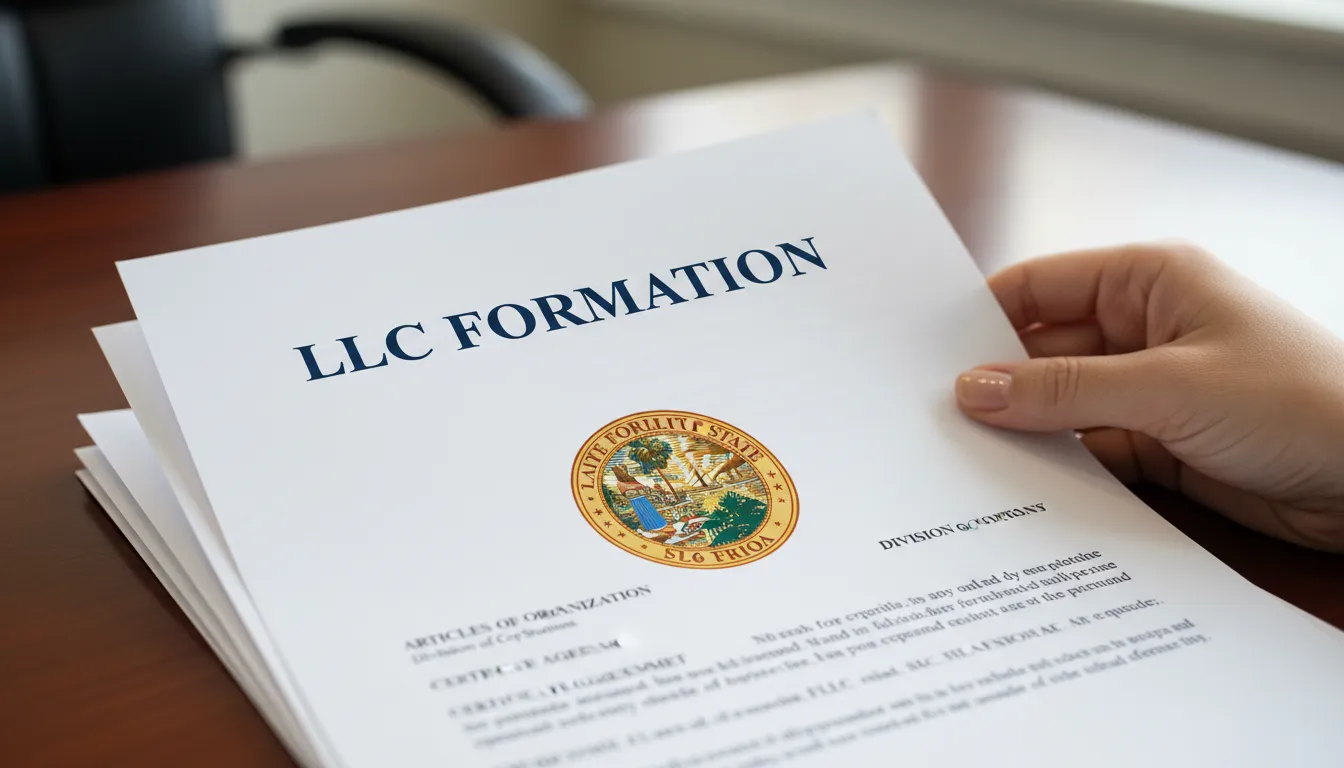
Filing the Articles of Organization: A Detailed Walkthrough
Submitting your Articles of Organization is a pivotal step in formally establishing your Limited Liability Company in Florida. This document provides the state with essential details about your business, thereby creating a legal entity separate from its owners. Accuracy and completeness are paramount during this process to avoid potential delays or rejections.
First, ensure all required information is accurately compiled. This includes the LLC’s name, principal address, the name and address of your registered agent, and the names and addresses of the managers or members. Carefully review each detail to confirm it matches your intended business structure. Errors in this document can lead to legal complications down the road. Prezzo Consulting recommends a thorough review before submission.
Next, you’ll file the Articles of Organization with the Florida Department of State, Division of Corporations. This can be done online via the Sunbiz website or by mail. Filing online is typically faster and more efficient. When filing online, you will create an account, complete the online form, and pay the filing fee electronically. For mail-in filings, you’ll need to download the form from the Division of Corporations website, complete it, and send it along with a check or money order for the filing fee.
The current filing fee can vary, so it is essential to verify the exact amount on the Sunbiz website before submitting your application. As of the last update, the fee is typically around $125 but confirm for the most current rate. Once filed, the Division of Corporations will process your application. Processing times can vary, but online filings generally see quicker turnaround times than mail-in submissions. Once approved, you will receive confirmation, and your LLC will be officially recognized by the State of Florida.
Keep in mind that this filing officially marks the beginning of your LLC’s legal existence, making it crucial to handle it with precision. After approval, retain a copy of the filed Articles of Organization for your records. This document will be needed for various business activities, such as opening a bank account or securing business licenses. Consider it the birth certificate for your company. Always consult with legal and financial professionals like Prezzo Consulting for personalized advice.
Crafting an Operating Agreement for Your Florida LLC
While Florida doesn’t mandate an operating agreement for LLCs, creating one is highly advisable. This document outlines the rights, responsibilities, and operating procedures of the members within the LLC. Think of it as the constitution for your business, providing clarity and preventing potential disputes down the road. Without it, the default rules of Florida law will govern your LLC, which may not align with your specific intentions.
An operating agreement solidifies several key aspects of your LLC. It defines the ownership percentages (membership interests) of each member. It details how profits and losses are allocated among the members, which doesn’t necessarily have to be proportional to ownership. It also specifies the rights and responsibilities of each member, including their roles in management. Additionally, it outlines the procedures for decision-making, such as voting rights and meeting protocols.
Furthermore, the operating agreement should cover scenarios like the admission of new members, the transfer of membership interests, and the dissolution of the LLC. It should address what happens if a member wants to leave the company or passes away. By proactively addressing these contingencies, you can avoid costly and time-consuming legal battles in the future. The team at Prezzo Consulting can help you navigate these decisions. A well-drafted operating agreement protects your personal assets and ensures the smooth operation of your Florida LLC.
Key provisions to include in your Florida LLC operating agreement:
Membership Interests: Clearly define the percentage of ownership for each member.
Profit and Loss Allocation: Specify how profits and losses will be distributed.
Management Structure: Detail whether the LLC is member-managed or manager-managed.
Decision-Making Process: Outline voting rights and meeting procedures.
Transfer Restrictions: Set rules for transferring membership interests.
Creating an operating agreement is a crucial step, even though it is not legally required. This document is a cornerstone of a successful business foundation.

Obtaining an EIN and Opening a Business Bank Account
After the Florida LLC formation, securing an Employer Identification Number (EIN) from the IRS is paramount if you plan to hire employees or operate as a multi-member LLC. Even if not strictly required, many business owners opt to obtain one for added credibility and to simplify banking processes. This unique tax identification number is essentially a social security number for your business. You can read more about how to open a company in Florida.
The process of obtaining an EIN is straightforward and free. You can apply online through the IRS website. The online application typically takes just a few minutes to complete, and you’ll receive your EIN immediately upon submission. Be prepared to provide information about your LLC, including its legal name, address, and the names and social security numbers of its members or managers. Prezzo Consulting can assist you in this step, ensuring accuracy and compliance.
With your EIN in hand, the next step is to open a business bank account. This is crucial for maintaining a clear separation between your personal and business finances. Mixing funds can lead to legal and accounting complications down the road. Most banks require your LLC formation documents, EIN, and personal identification to open an account. Research different banks to find one that offers services and fees that align with your business needs. Consider factors like online banking capabilities, transaction fees, and minimum balance requirements. Our accountant in Orlando for Brazilians can assist with this.
Some banks may also require a copy of your operating agreement. Having a dedicated business bank account not only simplifies bookkeeping but also strengthens your LLC’s legal shield, demonstrating that it is a separate entity from its owners. Properly managing these initial steps sets a strong foundation for the financial health and legal standing of your Florida LLC. Ensure all documentation is readily available and accurate to streamline both the EIN acquisition and bank account opening processes. To learn more about accounting for LLCs, visit our site.
Maintaining Compliance and Navigating Ongoing Requirements
Establishing your Limited Liability Company (LLC) in Florida is a significant step, but maintaining compliance is crucial for long-term success. It’s not enough to simply know how to set up an LLC in Florida; you must also understand the ongoing requirements. Failing to adhere to these can lead to penalties or even the dissolution of your LLC.
One of the primary requirements is filing an annual report with the Florida Department of State. This report keeps the state informed of your LLC’s current information, such as its principal address and registered agent details. The deadline for filing is typically May 1st each year. Missing this deadline can result in late fees or administrative dissolution. Prezzo Consulting can assist with timely filing to ensure you remain in good standing.
Beyond the annual report, staying compliant involves several other key areas:
Registered Agent: Maintaining a registered agent who is available during business hours to receive official documents.
Accurate Records: Keeping accurate and up-to-date records of all financial transactions, member information, and meeting minutes.
Tax Obligations: Meeting all federal and state tax obligations, including income tax, self-employment tax, and sales tax (if applicable).
Operating Agreement: Adhering to the terms outlined in your operating agreement, which governs the internal operations of your LLC.
Licenses and Permits: Ensuring you have all necessary licenses and permits to operate your specific business.
Navigating these ongoing requirements can seem daunting, but resources are available to help. The Florida Department of State website offers information and guidance on compliance matters. Additionally, consider seeking professional assistance from firms like Prezzo Consulting. We can provide comprehensive support to help you stay on track and avoid costly mistakes. Regularly reviewing your LLC’s compliance status and seeking expert advice when needed are essential for protecting your business and ensuring its continued success.
Conclusion
Forming an LLC in Florida can be a game-changer for your business, providing liability protection, tax advantages, and operational flexibility. This guide has walked you through each critical step, from choosing a business name to maintaining ongoing compliance. Remember that accuracy and attention to detail are paramount throughout the process to avoid potential legal or financial complications.
By understanding the benefits of an LLC, carefully selecting a registered agent, filing the Articles of Organization correctly, and creating a comprehensive operating agreement, you can establish a solid foundation for your business. Obtaining an EIN and opening a business bank account are essential steps for separating your personal and business finances, further strengthening your LLC’s legal shield.
Staying compliant with Florida regulations is an ongoing responsibility. Filing your annual report on time, maintaining accurate records, and meeting all tax obligations are crucial for the long-term success of your LLC. If you find the process overwhelming, remember that professional help is available. Prezzo Consulting offers comprehensive accounting, financial management, and tax consulting services to help entrepreneurs and businesses of all sizes thrive in Florida. Prezzo Consulting’s expertise can ensure you remain compliant and strategically positioned for growth.
Ultimately, understanding how to set up a LLC in Florida is an investment in your business’s future. By following the steps outlined in this guide and seeking professional assistance when needed, you can confidently navigate the complexities of LLC formation and set your business up for success in the Sunshine State. Contact Prezzo Consulting today to discover how we can help you achieve your business goals.
Frequently Asked Questions
What are the main advantages of forming an LLC in Florida?
Forming an LLC in Florida offers several key benefits. These include limited liability protection, which shields the personal assets of the members from business debts and lawsuits. Additionally, LLCs typically benefit from pass-through taxation, where profits and losses are passed through to the members’ individual income tax returns, avoiding double taxation. The management flexibility afforded to LLCs allows them to be structured to fit the specific needs of the business, whether member-managed or manager-managed. Operating as an LLC can also enhance the credibility of your business with customers, vendors, and lenders.
What is the role of a registered agent for a Florida LLC?
A registered agent is responsible for receiving official legal and tax documents on behalf of your LLC. The registered agent must have a physical street address in Florida and be available during regular business hours to accept service of process, including lawsuits, subpoenas, and other important notices. Selecting a reliable registered agent is critical for maintaining compliance and ensuring you don’t miss critical deadlines. You can act as your own registered agent, or hire a commercial registered agent service.
Is an operating agreement required for a Florida LLC?
While Florida law does not mandate an operating agreement for LLCs, creating one is highly advisable. This document outlines the rights, responsibilities, and operating procedures of the members within the LLC. It can be thought of as the constitution for your business, providing clarity and preventing potential disputes. Without it, the default rules of Florida law will govern your LLC, which may not align with your specific intentions. A well-drafted operating agreement is a cornerstone of a successful business foundation.
What is an EIN and why is it important for my Florida LLC?
An Employer Identification Number (EIN) is a unique tax identification number assigned by the IRS to business entities. It’s essential if your LLC has more than one member or plans to hire employees. Even if not strictly required, many business owners obtain one for added credibility and to simplify banking processes. It is used for tax purposes and is essential for opening a business bank account and fulfilling other regulatory requirements. Obtaining it is a straightforward and free process that can be completed online through the IRS website.
What are the ongoing compliance requirements for a Florida LLC?
Maintaining compliance is crucial for the long-term success of a Florida LLC. One of the primary requirements is filing an annual report with the Florida Department of State by May 1st each year. Failing to do so can result in late fees or administrative dissolution. Other key areas include maintaining a registered agent, keeping accurate records of financial transactions and member information, meeting all federal and state tax obligations, adhering to the operating agreement, and ensuring you have all necessary licenses and permits to operate your specific business.